Lord’s Day 2 · Part I: Misery
The Knowledge of Sin
Taught by a pastor from the Reformed churches. The whole series on YouTube
Free video courseTake this Lord’s Day as a step in the course, with checkpoints along the way and a certificate at the end.Go to the courseAnswers are hidden. Say each one, then tap it to check.
How do you come to know your misery?
The law of God tells me.1
Whence knowest thou thy misery?
Out of the law of God.
Whence knowest thou thy misery?
Out of the Law of God.
Woher erkennest du dein Elend?
Aus dem Gesetz Gottes.
- 1Rom. 3:20; 7:7-25
What does God’s law require of us?
Christ teaches us this in summary in Matt. 22:37-40
“You shall love the Lord your God with all your heart and with all your soul and with all your mind, and with all your strength.”1 This is the greatest and first commandment. And a second is like it: “You shall love your neighbor as yourself.”2
On these two commandments hang all the Law and the Prophets.
What doth the law of God require of us?
Christ teaches us that briefly, Matt. 22:37-40. "Thou shalt love the Lord thy God with all thy heart, with all thy soul, with all thy mind, and with all thy strength. This is the first and the great command; and the second is like to this. Thou shalt love thy neighbour as thyself. On these two commands hang the whole law and the prophets."
What does the Law of God require of us?
This Christ teaches us in sum, Matt. 22: Thou shalt love the Lord thy God with all thy heart, and with all thy soul, and with all thy mind, and with all thy strength. This is the first and great commandment; and the second is like unto it: Thou shalt love thy neighbor as thyself.—On these two commandments hang all the law and the prophets.
Was erfordert denn das göttliche Gesetz von uns?
Dieß lehret uns Christus in einer Summa, Matthäi am 22sten: Du sollst lieben Gott, deinen Herrn, von ganzem Herzen, von ganzer Seele, von ganzem Gemüth und allen Kräften: dieß ist das vornehmste und größte Gebot. Das andere aber ist dem gleich: Du sollst deinen Nächsten lieben als dich selbst.—In diesen zweien Geboten hanget das ganze Gesetz und die Propheten.
- 11 Deut. 6:5
- 2Lev. 19:18
Canst thou keep all these things perfectly?
In no wise; for I am prone by nature to hate God and my neighbour.
Canst thou keep all this perfectly?
No; for I am by nature prone to hate God and my neighbor.
Kannst du dieß Alles vollkommen halten?
Nein: denn ich bin von Natur geneigt, Gott und meinen Nächsten zu hassen.
- 1Rom. 3:9-20,23; 1 John 1:8,10
- 2Gen. 6:5; Jer. 17:9; Rom. 7:23-24; 8:7; Eph. 2:1-3; Titus 3:3
TranscriptRead the film: Lord’s Day 2Tap a time to play the film from there · transcribed from the film
How do you come to know your misery? The law of God tells me.
What does God’s law require of us? Christ teaches us this in summary in Matthew 22, verses 37 through 40. You shall love the Lord your God with all your heart, and with all your soul, and with all your mind, and with all your strength. This is the greatest and first commandment, and a second is like it. You shall love your neighbor as yourself. On these two commandments hang all the law and the prophets. Can you live up to this all perfectly? No. I am inclined by nature to hate God and my neighbor. Okay, we’ve come to Lord’s Day 2, which is the first Lord’s Day in the first section of the Catechism that concerns our knowledge of our sin and misery.
And you recall that that’s the first thing that we need to know in order to live and die in true comfort. And though this first section is the shortest section of the Catechism, that’s not the measure of its importance. It is very important for understanding of the gospel. Jesus said, I did not come to call the righteous, but sinners to repentance. And for those who come to know their sin, that’s good news. And this Lord’s Day really deals with one simple point, one simple question, and that is, how do we come to know our sin and misery? The first question and answer really addresses that very directly.
It actually quotes scripture. It refers to Romans 3 verse 20 that says, by the law is the knowledge of sin. You know, that’s very important in connection with the kinds of things that we might hear people say about themselves when it comes to matters of religion. So often people will say, I’m a good person, or I try to be a good person. And I’ve had occasion to respond by asking people if they ever heard of the Ten Commandments. And a lot of people have heard of the Ten Commandments, so I say, can you name some of them? And they might say, well, you shall not steal, or you shall not commit adultery, or you shall not kill.
I mean, that’d be pretty good, three out of ten for most people. But then I ask them, have you ever heard of the first part of the Ten Commandments? The first table of the law, it’s called. And then I explain that the first part of the Commandments deals with the knowledge of God. And we’re to have no other gods besides Him. And we’re to honor His name. We’re to worship Him as He has commanded. And that exposes what is really the greatest problem that we have, which is idolatry.
We worship things, or we worship people, or we worship ourselves. That also exposes the problem with relativism.
It doesn’t really matter what God you serve or what religion you adhere to as long as you’re sincere. But that’s totally man-centered. And it’s a denial of God.
And the summary of the law, which says that we’re to love God with all our heart, soul, mind, and strength, really exposes that for all of us. Who of us can say that we love God with our whole being? No, we want to do what we want to do. And we want to do it on our own terms. And that’s really what brought the Apostle Paul to realize his own sin. Our catechism also refers to Romans 7, which says in verse 7, I would not have known sin except through the law, for I would have not have known covetousness unless the law said you shall not covet.
That has to do with desires. And he says, But sin, taking opportunity by the commandment, produced in me all manner of evil desire. It’s like the commandment stirred up those rebellious inclinations to want what he wants rather than what God wants. That really exposes the reality of what question 5 says in its answer as to whether we can keep God’s law perfectly. It says, And that sounds like an exaggeration.
But the fact is that when compared to the reach of God’s law, we see that the natural mind is not subject to that law. And in that sense, we hate God because we don’t want to worship him as he has commanded. And we hate our neighbor because we put ourselves before our neighbor. So this Lord’s Day gives what is called the summary of the law. It summarizes the first table of the law and its demand to love God supremely. And it summarizes the second table of the law in its command to love our neighbor as ourself. But that doesn’t mean that this summary is like an abridged form of the law or that it’s a kind of a reader’s digest form of the law.
No, the law summarizes or the summary indeed deals with the heart of the commandments. And actually Romans 13 makes that clear where it says we’re to love our neighbor as ourself. And then it says, for the commandments, you shall not steal, you shall not commit adultery, you shall not murder. And if there is any other commandment, it is summarized in this, you shall love your neighbor as yourself.
Love does no harm to one’s neighbor. So yes, the commandments can be summarized by the demand to love God and our neighbor. But that also means they can be broken down to the specific commandments in all their details.
And those details are especially fleshed out in the third part of the Heidelberg Catechism, where the true spirituality of the law is explained in such a way that shows that we fall far short of it. And in fact, that’s also the continued use of the Catechism’s explanation of the law in the third part.
It asks, why must the law be preached and taught so strictly? And the answer basically is that throughout all our lives, we might know our sin and put our trust only in Jesus Christ.
And that’s a reminder that we need to remember the purpose of the law also way back here in Lord’s Day too. And that is so that we might realize our sin and realize that before the law, we’re under God’s judgment and curse. Cursed is everyone who does not continue in all things which are written in the book of the law to do them. And in view of that misery, the promise of the gospel shines brightly. That Christ was made a curse for us and that in him we have righteousness and the forgiveness of sins.
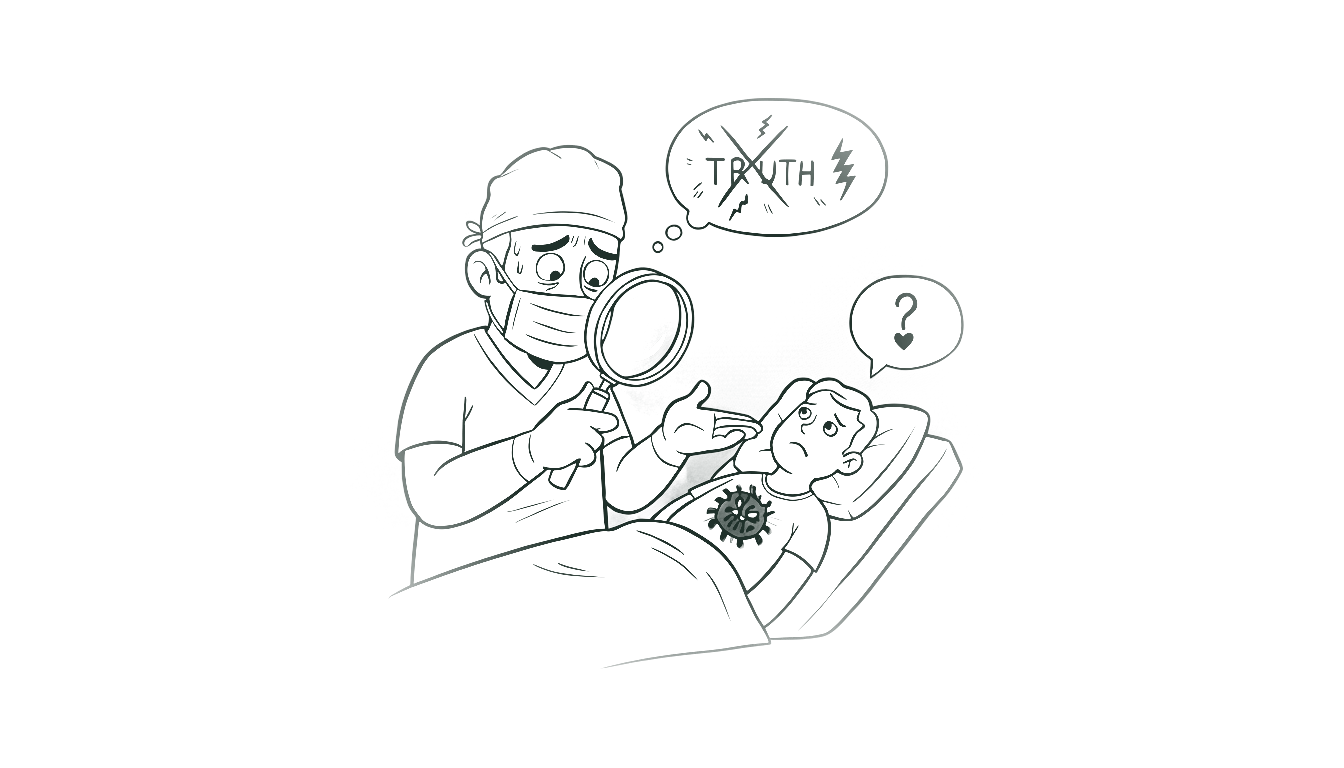 Plate I
The Surgeon Who Refuses to Flatter
Imagine a surgeon who examines a patient with a life-threatening tumor but avoids telling them the truth because he doesn’t want to upset them. His kindness becomes cruelty the moment it withholds the diagnosis that could lead to healing. The catechism insists that we must know our misery because God is the kind of physician who loves us too much to let us die of an unnamed disease. Conviction is not God humiliating us; it is God beginning to heal us. Clarity about our condition is the doorway to grace.
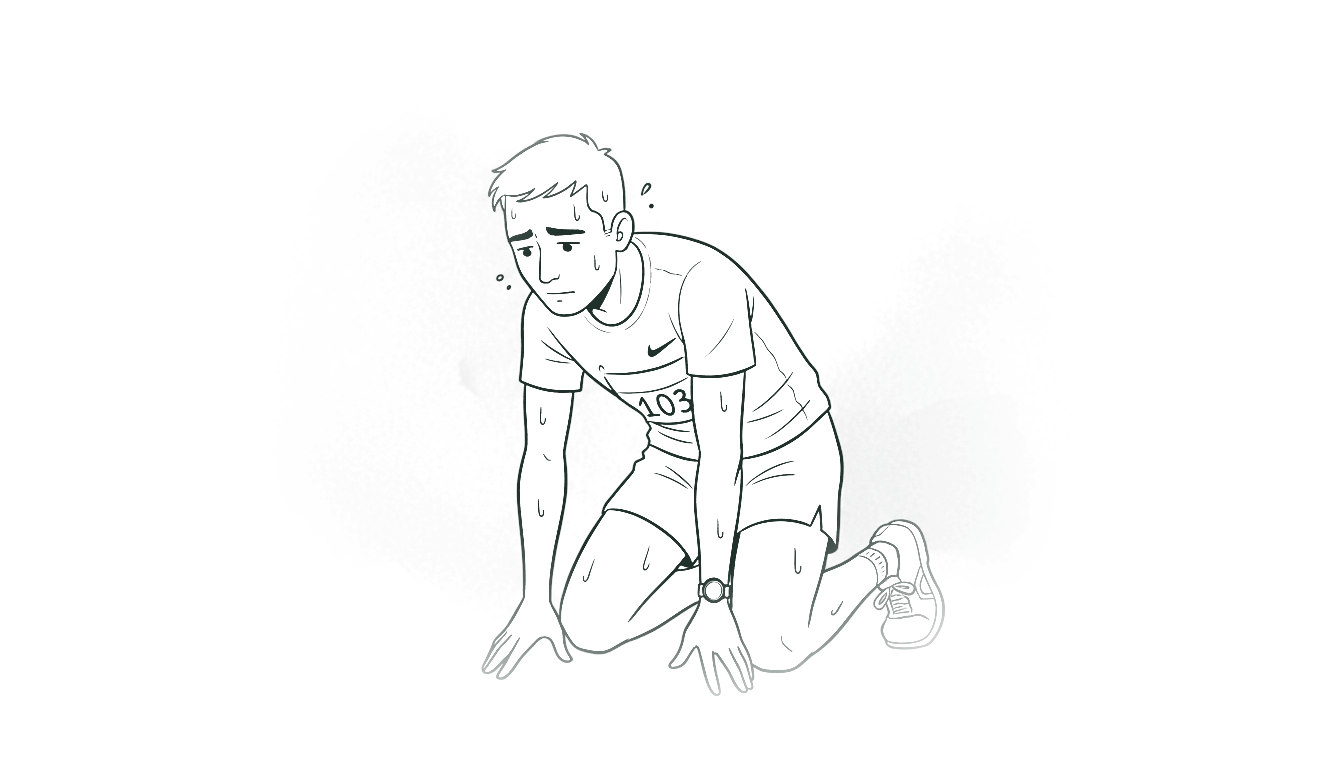 Plate II
The Marathon We Cannot Finish
Imagine entering a marathon believing you’re fit enough to run it, only to realize at mile three that your lungs are burning, your legs are trembling, and the finish line is impossibly far away. The problem isn’t that the marathon is unfair; it’s that your strength is insufficient. The law asks for perfect obedience—not sprinting effort, not “trying really hard,” but the full endurance of holiness. When the catechism asks, “Can you keep all this perfectly?” it is confronting the painful reality that the race of righteousness cannot be completed by human power. Our failure is not occasional; it is systemic.
 CommentaryZacharias Ursinus on Lord’s Day 2From the catechism’s chief author · about 9 minutes
Question 3
How do you come to know your misery?
In this division of the catechism which treats of the misery of man, we are to consider principally the subject of sin, together with the effects or punishment of sin. Other subjects of a subordinate nature are connected with this, such as the creation of man, the image of God in man, the fall and first sin of man, original sin, the liberty of the will, and afflictions In regard to our misery, we must consider in general, what it is, whence and how it may be known!
The term misery is more comprehensive in its signification than that of sin, for it embraces the evil both of guilt and punishment. The evil of guilt is all sin; the evil of punishment is all affliction, torment, and destruction of our rational nature, as well as all subsequent sins also, by which those are punished that go before; as the numbering of the children of Israel, for instance, by David, was a sin, and at the same time the punishment of a preceding sin, viz: that of adultery and murder, with which he was chargeable, so that it included the evil both of guilt and punishment. The misery of man, therefore, is his wretched condition since the fall, consisting of these two great evils: First, that human nature is depraved, sinful, and alienated from God, and secondly, that, on account of this depravity, mankind are exposed to eternal condemnation, and deserve to be rejected of God.
The knowledge of this our misery is derived out of the law of God; for, "through the law is the knowledge of sin." (Rom. 3:20.) The lan guage of the law is, "Cursed be he that confirmeth not all the words of the law, to do them." (Deut. 27:26.) The two following questions of the catechism teach us how the law makes us acquainted with our misery
Question 4
What does God's law require of us?
Christ rehearses the substance of the law in Matt. 22:37, and in Luke 10:27, from Deut. 6:5, and Levit. 19:8. He explains what is meant by that declaration: "Cursed be he that confirmeth not all the words of this law to do them;" that is, he who does not love God with all his heart, with all his soul, with all his mind, and with all his strength, and his neighbor as himself. These several parts must be explained more fully.
Thou shalt love the Lord thy God. To love God with the whole heart, is, upon a due acknowledgment of his infinite goodness, reverently to regard and esteem him as our highest good, to love him supremely, to rejoice and trust in him alone, and to prefer his glory to all other things, so that there may not be in us the least thought, inclination, or desire for anything that might be displeasing to him; yea, rather to be willing to suffer the loss of all things that may be dear to us, or to endure the heaviest calamity, than that we should be separated from communion with him, or offend him in the smallest matter, and lastly, to direct all this to the end that he alone may be glorified by us.
The Lord thy God. As if he would say, thou shalt love that God who is thy Lord and thy God, who has revealed himself unto thee, who confers his benefits upon thee, and to whose service thou art bound. There is here an opposition of the true God to false gods.
With all thy heart. By the heart we are to understand the affections, desires, and inclinations. When God, therefore, requires our whole heart, he desires that he alone should be loved above everything else; that our whole heart should be stayed on him, and not that a part should be given to him, and a part to another. In short, he wills that we make nothing equal to him, much less that we should prefer any thing to him; or that we should be willing to share only a part of his love. To love God thus, is what the Scripture calls "walking before God with a perfect heart;" the opposite of which is not to walk before God with a perfect heart, which is to halt, and not to surrender the whole person to him.
Obj. God alone is to be loved. Therefore, our neighbors, parents and kindred are not to be loved. Ans. This argument is false, because it proceeds from a denial of the manner, to that of the thing itself. God alone is to be loved supremely, and above every thing else; that is, in such a manner that there may be nothing at all which we either prefer or put upon an equality with him, and which we are not heartily willing to part with for his sake. But we ought to love our neighbors, parents, and others, not supremely, nor above every thing else, nor in such a manner that we would rather offend God than our parents; but in subordination to and on account of God, and not above him.
With all thy soul. The soul signifies that part of our being which wills, together with the exercise of the will, as if he would say, thou shalt love with thy whole will and purpose.
With all thy mind. The mind signifies the understanding, or that which perceives; as if he would say, as much as thou knowest of God, so much shalt thou love him—thou shalt bend all thy thoughts that thou mayest know God truly and perfectly, and so shalt thou also love him. We can love God only as far as we know him. We now love him imperfectly, because we know him only in part. But in the life to come we shall know him perfectly, and shall, therefore, love him perfectly; for "that which is in part shall be done away." (1 Cor. 13:10.)
With all thy strength. This embraces all actions, and exercises, at the same time, both external and internal; that they may be, in accordance with the law of God.
This is the first and greatest commandment. The love of God is called the first commandment, because all the others proceed from this, as their source. It is the impelling, the efficient, and final cause of obedience to all the other commandments of God. For we love our neighbor because we love God, and that we may manifest our love to God in the love which we cherish towards our neighbor. It is called the greatest commandment
1. Because the object upon which it is immediately directed is the greatest, even God himself.
2. Because it is the end to which all the other commandments look; for our entire obedience is designed to show forth our love to God, and to honor his name.
3. Because it is the principal worship of God, which the ceremonial law subserved, and to which it gave place. The Pharisees extolled the ceremonial law and worship above the moral; whilst Christ, on the other hand, calls love the greatest commandment, and gives precedence to the moral law and worship, because whatever was instituted under the ceremonial system was on account of love, and was designed to give place to it.
Obj. The love of God is the greatest commandment. Therefore it is greater than faith, and hence justifies rather than faith. Ans. Love is here to be understood as including the entire obedience which we owe to God, in which faith is included, which justifies, not of itself as a virtue, but correlatively, as it apprehends and appropriates the merits of Christ. But the love which is opposed to faith, and which in particular is so called, does not justify, because the application of the righteousness of Christ is not made by love, but by faith alone; yea, love springs from faith; for faith is the cause of all the other virtues.
The second is like to this: thou shalt love thy neighbor as thyself. To love thy neighbor as thyself, is in view of thy love to God; or because thou lovest God, do well unto thy neighbor according to all the commandments of the Lord; or will and do to thy neighbor those things which thou wilt that he should do to thee. Now every man is our neighbor.
It is called the second commandment:
1. Because it embodies the substance of the second table, or those duties which are performed directly towards our neighbor. If thou love thy neighbor as thyself, thou wilt neither murder, nor injure him.
2. Because the love which we cherish towards our neighbor must arise out of the love of God; it is, therefore, naturally subsequent to it.
It is said to be like unto the first in three respects:
1 In the kind of worship which it requires, which is moral or spiritual. This is no less required and sanctioned in the second table than in the first, for it every where opposes itself to a mere formal worship.
2. In the kind of punishment which it threatens against the transgressor, which is an eterna punishment; for God inflicts this, as well for the violation of one table, as for that of the other.
3. In the connection which holds between the two tables; for neither one can be maintained without the other.
It is also unlike the first:
1. In the object which it immediately respects, which in the first is God, in the second our neighbor.
2. In the order of cause and effect. The love which we cherish towards our neighbor originates in the love which we have to God; but not the contrary.
3. In the degree of love. We must love God supremely. But the love which we have for our neighbor must not be above every thing else, nor stronger than that which we have for God: but only as we love ourselves.
From what has now been said, it is easy to return an answer to the objection sometimes made: The second commandment is like unto the first. Therefore the first is not the greatest; or, therefore our neighbor to be regarded as equal with God, and is to be worshipped in like manner. To this we reply, that the second is like unto the first, not absolutely, and in every point of view, but only in certain respects; and unlike it in the particulars already specified.
On these two commandments hang the whole Law, and the Prophets; that is, the entire doctrine of the Law and the Prophets, is reduced to these two heads; and all obedience to the law, inculcated by Moses and the Prophets, arises from love to God and love to our neighbor. Obj. But there are also many promises of the Gospel in the Prophets. Therefore it would seem that the doctrine of the Prophets is not properly restricted to these two commandments. Ans. Christ speaks of the doctrine of the law, and not of the promises of the gospel, which is evident from the question of the Pharisee, who asked him which was the greatest commandment, and not, which was the principal promise in the law.
Question 5
Can you live up to this all perfectly?
This question, in connection with the preceding, teaches us that our misery, (of which there are two parts,) may be known out of the law in two ways. First, by a comparison of ourselves with the law; and second, by an application of the curse of the law to ourselves.
The comparing of ourselves with the law, or of the law with ourselves, is a consideration of that purity which the law requires, and whether it be in us. This comparison clearly proves that we are not what the law requires; for it demands perfect love to God, whilst there is nothing in us but aversion and hatred to him. The law, again, demands perfect love toward our neighbor; but in us there is eumity to our neighbor. It is in this manner, therefore, that we obtain a knowledge of the first part of our misery, which includes our depravity, of which the Scriptures in many places convict us. (Rom. 8:7. Eph. 2:3. Titus 3:3, &c.)
Sing this Lord’s Day
A confessional hymn by Paul Wagenaar that puts Lord’s Day 2 to verse, for children and adults alike.